
 Find Food
 Get Involved
 Resources
Fresh News March: Investing in WNC Food for a Lifetime
When Claire Neal, MANNA’s CEO, stood with staff in the wreckage Hurricane Helene left behind at MANNA’s former headquarters, the destruction was almost impossible to take in. The freezer-cooler building had been torn apart, its doors blown out, coated in mud and ruined food intended to feed our neighbors. Overnight, we lost not just infrastructure, but a vital part of how we provide nutritious food across Western North Carolina.

At MANNA, we often measure our work in pounds of food donated and distributed. But behind those numbers is a deeper responsibility: making sure our neighbors have access not only to enough food, but also to nutritious foods like produce, meat, eggs, and dairy that support health and dignity. Shelf-stable foods are essential, but perishable items are critical to how we nourish our communities.
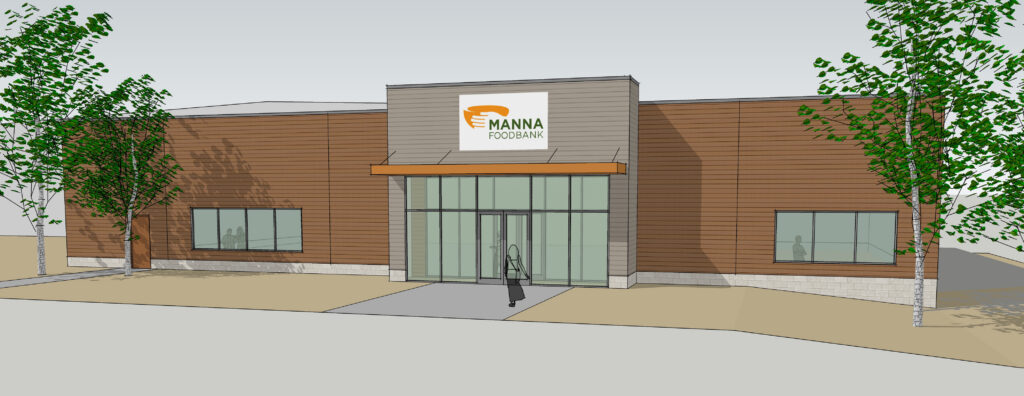
That’s why the opening of our new freezer and cooler building in Mills River is such a historic moment—not only for MANNA, but for the whole region. We didn’t just replace what was lost in the storm. Our communities came together to rebuild, ensuring that more families across WNC can access the food they need to thrive.
This new space means more produce, dairy, and protein reaching homes across the region. More children starting the day with yogurt and fruit, more parents cooking meals with fresh vegetables, and more families gathering around the dinner table.
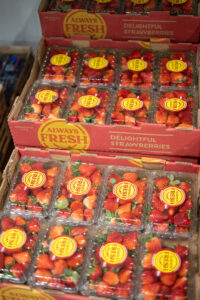 Our neighbors request produce, meat, eggs, and cheese far more than any other foods, and the demand in WNC is reaching historic levels. Each month, neighbors make nearly 200,000 visits to the food pantries and meal sites that partner with MANNA. To meet that need, we are increasing the amount of perishable foods we can store and distribute, and we are continuing to work alongside local and regional farmers whose partnerships help strengthen both our communities and our local economy.
For nearly 500 days after Hurricane Helene, refrigerated trucks gave us a temporary way to store and distribute perishable foods. But this new freezer-cooler facility now gives us the long-term foundation for serving our neighbors with the foods they want and need for decades to come.
As we look to the future, this investment strengthens our ability to meet the rising need. It expands what is possible for our food distribution partners, deepens our connection to local farmers, and helps ensure that fresh food remains a defining part of how we serve this region. In the long chapter of our region’s recovery, this moment marks the beginning of what hope can make possible.